


The first Halloween with a baby usually starts the same way, with a parent holding up two options in the mirror and asking the question out loud. Which one will still look cute after a diaper change, a car seat buckle, and twenty minutes of actual wear? The answer is almost never the tiny costume with five layers and a headpiece that slips over the eyes.
A better infant halloween costume does three things at once. It stays warm, it photographs well, and it lets the baby move without a full outfit meltdown. That's why a cozy, caddie-inspired look works so well for real families, especially when the goal is more than one good photo. For giftable, reusable outfit ideas that feel special without becoming fussy, unique baby gift ideas is a useful starting point.
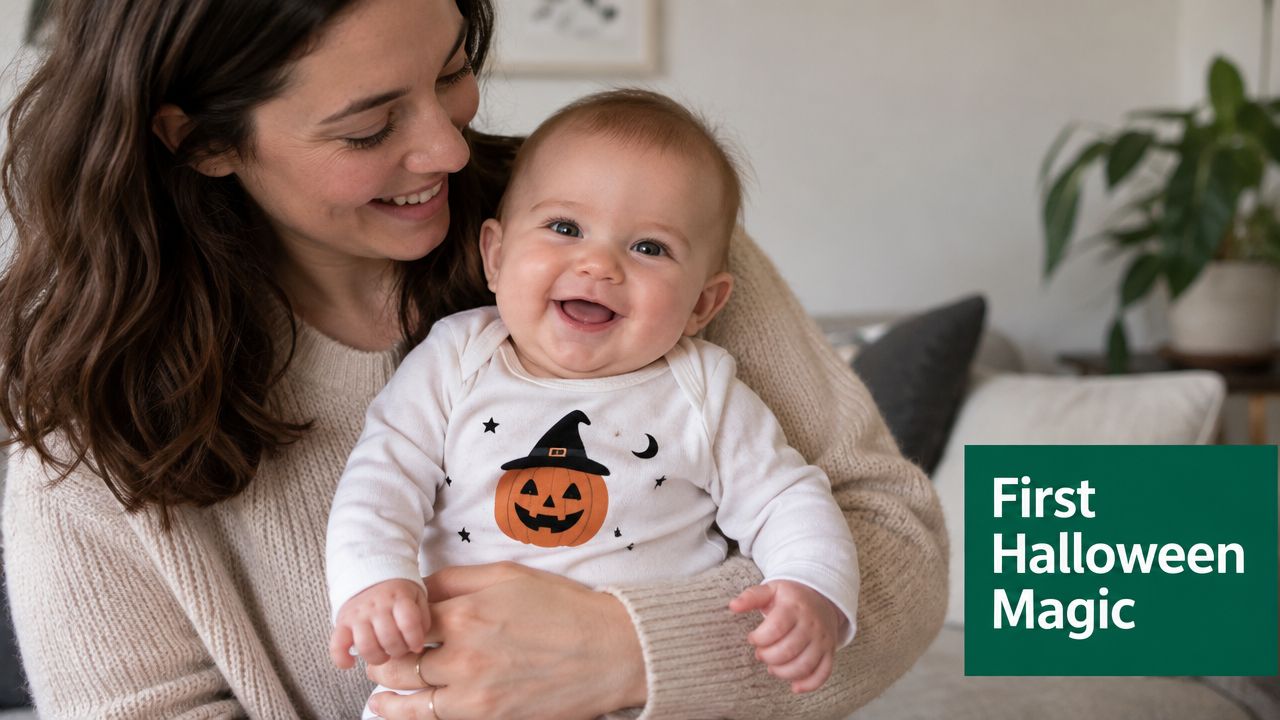
Parents don't need a costume that wins at the rack and loses on the porch. They need one that works in real life, under real weather, with a baby who may be sleepy, wriggly, or already over it. That's the standard this guide uses, practical first, cute second, and photo-ready all the way through.
Introduction to Infant Halloween Costume Magic Without the Fuss
A good first Halloween scene is simple. A baby is bundled in someone's arms, the porch light is on, and the outfit has to look charming in a quick snapshot without turning into a wrestling match. That's why the smartest parents stop chasing the most elaborate theme and start looking for the easiest outfit to wear well.
The best infant looks usually borrow from everyday baby clothes instead of fighting them. Soft coveralls, bib-style layers, and easy headwear keep the costume feeling like clothing, not gear. That matters because the baby is going to be carried, buckled, lifted, and likely napped in the middle of the evening, which makes comfort more valuable than detail.
Practical rule: if a costume needs constant adjusting, it's already too complicated for an infant.
Caddie-inspired pieces fit that reality neatly. A white coverall, a bib, or a small themed hat gives the costume enough personality for Halloween while staying reusable for photos, birthdays, or family events. The shape is clean, the look is recognizable, and the parent doesn't have to worry about layers sliding around every time the baby kicks.
A win is flexibility. A baby can wear the same base outfit for an indoor party, a chilly trick-or-treat stroll, or a quick family picture at home, and it still makes sense. That's the difference between a photo-only novelty and a costume that parents reach for again.
What Makes an Infant Halloween Costume Safe and Comfortable
Safety comes before cute details, every time. Official UK safety testing found that more than 80% of 128 children's Halloween costumes aimed at under-7s failed at least one basic safety check, with problems that included flammability, cord or strangulation risks, and labeling issues UK government safety warning. For babies, the message is plain. Skip loose extras and anything with risky trims.
Start with fabric and construction
A baby costume should feel like soft clothing first. Breathable layers, smooth seams, and a fit that does not pinch at the shoulders or legs matter more than decoration. Leave out masks, face coverings, and anything that blocks breathing or makes it hard to read the baby's expression.
The UK's voluntary code for children's dress-up costumes also tightened the maximum burn rate to 10 mm/second, compared with the prior legal baseline of 30 mm/second, and aligned it with EN 71-2:2020 British Retail Consortium code of practice. That is a strong reason to choose safer textiles and clear labeling in baby-sized costume shopping.
Use a quick at-home safety check
Before the first wear, run a short checklist.
- Look for soft closures: Choose simple fasteners that sit flat and will not scratch skin.
- Skip loose ties and cords: Anything that can tangle, snag, or press against the neck does not belong on an infant.
- Test the fit with layers underneath: If the costume only works over bare skin, it is too tight for a real evening out.
- Check embellishments by hand: Tug gently on patches, bows, ears, and trim. If something moves too much, it needs reinforcement or removal.
- Make sure the baby can roll, bend, and breathe freely: If movement feels restricted in the living room, it will feel worse outdoors.
Parents who want a seasonal layering reference can also browse little one Easter pajamas for the same soft, wearable feel. That is the right standard for an infant costume too, easy on, easy off, and never a fight at changing time.
Caddie Coverall and Bib Costume Options for Babies
The strongest infant Halloween setup is the one that looks intentional without acting fragile. That's where caddie coveralls and bibs make sense, because the base is clean, warm, and easy to adapt for the weather. A baby doesn't need a costume that explains itself with a dozen props. It needs one clear shape that reads well in a photo and still works when the stroller stops moving.
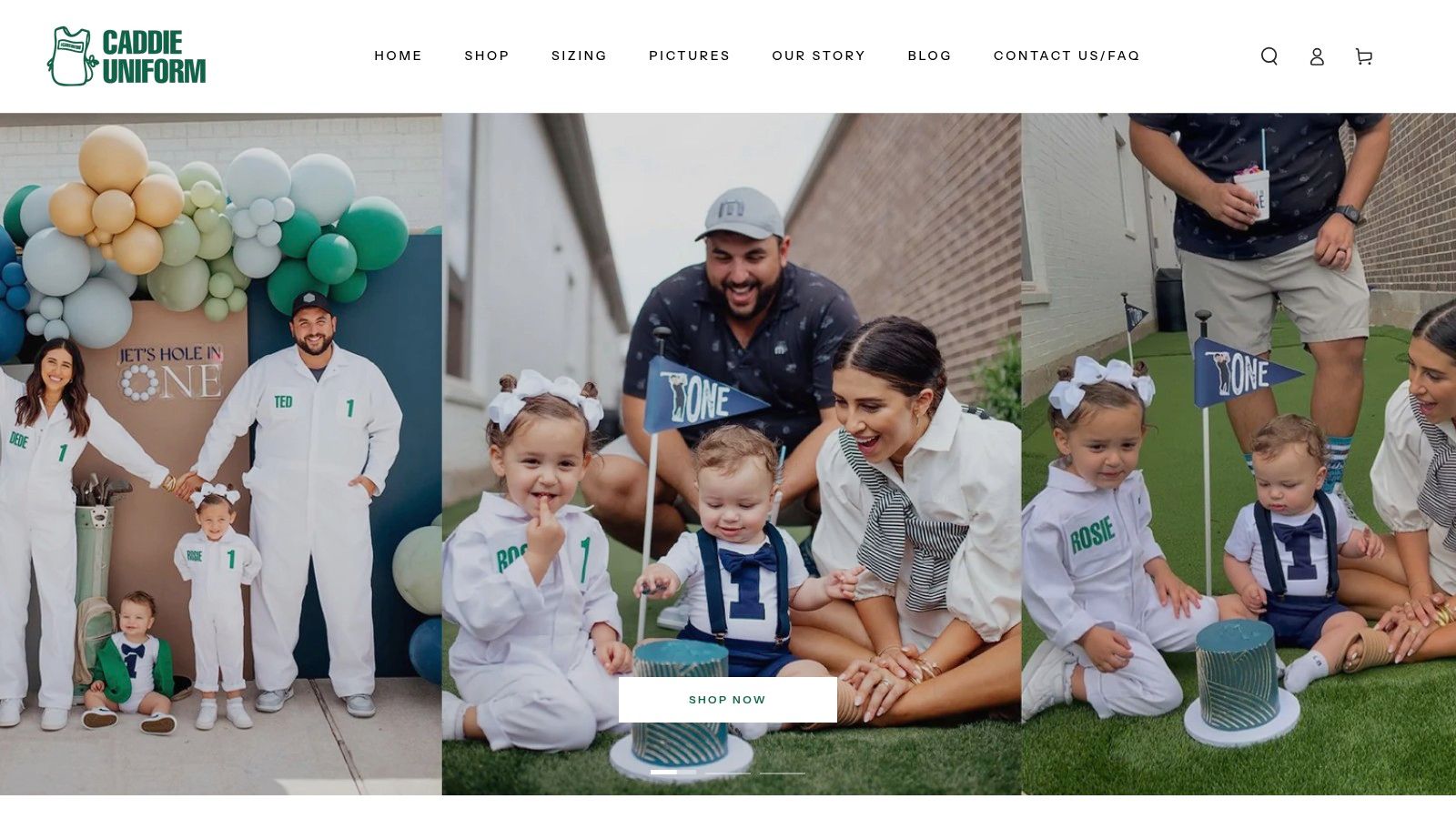
Choose by weather, not by fantasy
A full coverall is the obvious pick for outdoor trick-or-treating, especially when there's a chill in the air. A bib over a cozy sleeper works better for indoor parties or short photo sessions, because it adds the look without forcing extra bulk. Parents who want to see the construction style in more detail can use the coveralls costume guide as a reference point for how the silhouette holds together.
| Costume Format | Best For | Warmth and Layering | Reuse After Halloween |
|---|---|---|---|
| Full coverall | Porch photos, outdoor walks, cool weather | Best with a layer underneath, stays the most bundled | Easy to wear again for events or pictures |
| Bib over sleeper | Indoor parties, quick visits, baby who dislikes bulk | Light, flexible, and simple to adjust | Works well for dress-up and casual themed photos |
| Seasonal caddie look with removable patches | Family matching, themed shoots, repeat wear | Depends on the base layer, easy to dress up or down | Strong reuse value because details can change |
The removable-patch approach is the smartest one for a baby. It keeps the outfit from feeling like a one-night joke and lets the same base piece serve different moments later. That means less waste, less costume panic next October, and fewer outfits that end up buried in a closet after a single use.
One practical point matters here. If the baby will be held most of the evening, the back of the outfit matters just as much as the front. Smooth construction, easy diaper access, and enough room to sit comfortably in someone's arms turn a cute idea into a usable costume.
How to Personalize Fit and Details That Last Beyond Halloween
Fit is where most baby costumes either work or fail. The right size should leave room for layers without making the baby look swallowed, and the right details should stay secure without feeling stiff or scratchy. Caddie Uniform offers kids' uniform sizing from 0–3 months through 11–12 years, which gives parents a broader run than many novelty outfits and makes it easier to match a baby's actual body shape instead of guessing by age alone.
Make the customization do the work
The smartest personalization is removable. Velcro nameplates, numbers, and themed patches give the costume identity without locking the outfit into one holiday forever. For a baby, that matters because sewn-on details can become annoying fast, and outgrowing them feels wasteful almost immediately.
A name patch makes the outfit feel personal in photos. A number gives the look a uniform feel. A logo or themed patch can shift the same base from Halloween to a birthday, a golf event, or a family picture without starting over. The name patch guide is useful for understanding how that small detail changes the whole read of the outfit.
Keep the baby comfortable while you style it
Layer a soft sleeper underneath if the weather might turn cool. Keep hats snug enough to stay on, but never so low that they cover the face or press on the ears. If a decorative piece can be pulled off and mouthed, it should be moved or removed before the baby wears it.
Best habit: dress the baby in the costume, then lift, sit, and buckle the baby before leaving the house.
That one test catches more problems than a product photo ever will. If a collar bunches, a bib shifts, or a patch catches on fabric, the parent will see it immediately. The goal is not perfection on a hanger, it's a clean outfit that stays put on a moving baby.
Coordinated Family Looks and Photo Ready Styling Tips
A baby costume gets much stronger when the whole family looks coordinated instead of random. Matching adult coveralls, bibs, and themed hats create a finished photo without forcing everyone into the exact same outfit. That approach matters because a family picture should feel intentional, not like three separate costume decisions were made in a rush.
For parents who want a broader matching idea, the custom family golf Halloween costumes post shows how a shared uniform theme can carry a whole group without extra fuss. The same logic works beautifully with infants. One clean baby look, one or two coordinated adult pieces, and the whole setup suddenly feels polished.
Use the setting to guide the styling
For porch photos, keep the baby's look the simplest and warmest piece in the group. For indoor parties, lean harder into the accessories so the outfit reads clearly under bright lights. For golf club events, a themed hat or matching accent often does more than trying to force a full head-to-toe match.
The trick is speed. Dress the baby first, then the adults. Keep a backup layer ready in the car or stroller basket, because a baby's comfort can change the moment the temperature drops or the event runs long.
A strong group photo usually needs only one focal point, and that is the infant. The adults should frame the baby, not compete with the baby. When the family's colors and textures stay in the same lane, the picture looks cleaner and the costume feels more expensive than it was.
The best family Halloween photos are the ones that still make sense when the baby is tired, the porch is cold, and nobody has time for a second outfit change.
Final Checklist for Choosing Your Infant Halloween Costume
Parents should use three questions before they buy. Will the baby wear it comfortably? Will it stay safe through movement, cuddling, and buckling? Will the outfit get worn again after Halloween? If the answer to any of those is no, the costume is too flimsy, too fussy, or too single-use.
The best infant halloween costume is the one that wins on all three counts. A caddie coverall or bib gives a baby warmth, gives parents control over fit, and gives the family a look that can come back for birthdays, photos, and future events. That is the smarter purchase, and it's the one that avoids costume regret by midnight.
Before checkout, make sure the personalization is ordered early enough to allow for testing at home. Try the outfit with the layers the baby will wear, and keep one simple backup layer nearby for weather shifts. The parent who plans for comfort first usually gets the photo everyone wants to keep.
If a parent wants a costume that feels cute on Halloween night and still earns its keep later, Caddie Uniform makes personalized coveralls, bibs, hats, and removable patches that fit that job well. Visit the site to find infant-friendly options that are easy to style, warm to wear, and simple to reuse for photos, parties, and family events.


