


The most popular advice about golf gifts starts with the wrong question. It asks which club, training aid, or technical accessory the recipient needs. That approach makes sense for an active player, but it misses the people who love golf culture without carrying a bag, including families, spectators, simulator players, party guests, and children discovering the sport.
Novelty golf gifts work best when they give someone a visible connection to golf. A caddie-inspired uniform, personalized hat, removable patch, or themed putter cover can turn a birthday, tournament gathering, photo session, or Halloween event into a shared experience. The right gift doesn't need to improve a swing. It needs to make the recipient feel recognized, included, and ready for the occasion.
What Actually Makes a Novelty Golf Gift
A novelty golf gift isn't defined by how little practical use it has. It's defined by the kind of feeling it creates. A technical accessory solves a playing problem, while a novelty item can express humor, belonging, fandom, family identity, or enthusiasm for a particular golf setting.
That distinction changes the buying decision. A person who enjoys simulator sessions may not want a new club. A child attending a golf-themed birthday party may care more about looking like part of the event. A tournament spectator may prefer a wearable item that starts conversations rather than equipment that stays in a golf bag.
Utility is only one form of value
The strongest novelty golf gifts combine visual recognition with genuine personal meaning. A plain hat with a golf logo signals a broad interest. A hat with a nickname, removable number, or event-related patch signals something more specific. It tells a story about the wearer.
That story might involve a first family golf outing, a humorous caddie role at a party, a tournament group, or a child's favorite activity at an entertainment venue. The gift becomes useful because it supports participation in a social moment, not because it changes performance.
Practical rule: If the recipient can wear, display, photograph, or reuse the gift in a meaningful setting, it has value beyond the initial laugh.
Personalized apparel often has an advantage over isolated accessories because it creates a complete identity. A coverall or bib provides the visual foundation, while a hat, nameplate, number, or patch adds the details that make the outfit belong to one person. The result feels less like a random golf object and more like a keepsake designed around the recipient.
The gift should match the recipient's relationship with golf
A serious player may appreciate a humorous accessory that complements existing gear. A nonplayer may respond more strongly to an outfit that makes golf feel accessible and playful. A family may want coordinated pieces for a photograph, while a party host may need a recognizable costume that works immediately.
This is why gift buyers should stop treating “golf lover” as a complete description. The better questions are how the recipient engages with golf, where the gift will be used, and whether the item should remain relevant after one event. Those answers point toward the right combination of clothing, personalization, and accessories.
Why Modern Golf Culture Needs These Gifts
A novelty golf gift does not require the recipient to own a golf bag. Golf culture now includes families at shared events, spectators following tournaments, children enjoying miniature golf, and simulator players who may never step onto a full course. Treating the category as wearable identity and event experience makes more sense than treating it as spare equipment.
The National Golf Foundation reported 28.1 million Americans played golf on a course in 2024, the highest total since 2008 and the seventh consecutive annual increase. Total participation, including simulators and entertainment venues, reached 47.2 million people, a 5% increase from 2023 and 38% above the 2019 pre-pandemic level, according to its golf participation and diversity report.
The traditional gift scenario has changed
A club member who knows exactly what belongs in a golf bag may welcome equipment. Other recipients need a gift that helps them join the occasion. A family photo, a child's party, a corporate outing, or a spectator's event outfit can all create a stronger reason for a visible, playful present.
The audience is broad in other ways as well. Women and girls represented 28% of on-course golfers in 2024, while Black, Asian, and Hispanic golfers together represented 25%, including nearly 7 million golfers from those racial and ethnic groups. These findings from the National Golf Foundation's reported National Golf Foundation participation findings support gifts shaped around identity, family participation, and social experience rather than a narrow definition of expertise.
A caddie-style outfit shows how one idea can serve several audiences. For a child, it can become a costume. For a spectator, it can create an event-ready look. For a family, coordinated pieces can give a photograph a shared theme. At a simulator gathering, it can function as a playful uniform. The recipient does not need a handicap or a complete set of clubs.
Golf fandom extends beyond the course
The broader golf community includes people who watch, read, attend, play casually, or use alternative formats. In 2024, that wider group reached more than 138 million people, a 12% increase from 2023. The largest age category of golfers was 18 to 34, with 6.8 million participants, according to the reported findings.
That audience gives novelty gifts several roles: souvenirs, costumes, photo props, team apparel, and conversation starters. Families and younger participants also make flexible sizing valuable. A guide focused only on technical equipment overlooks people who want a welcoming, visible way to express their connection to golf.
The better question is not whether someone plays enough to deserve the gift. Ask whether it helps them enjoy, share, or express the sport.
From Uniforms to Patches - The Core Components
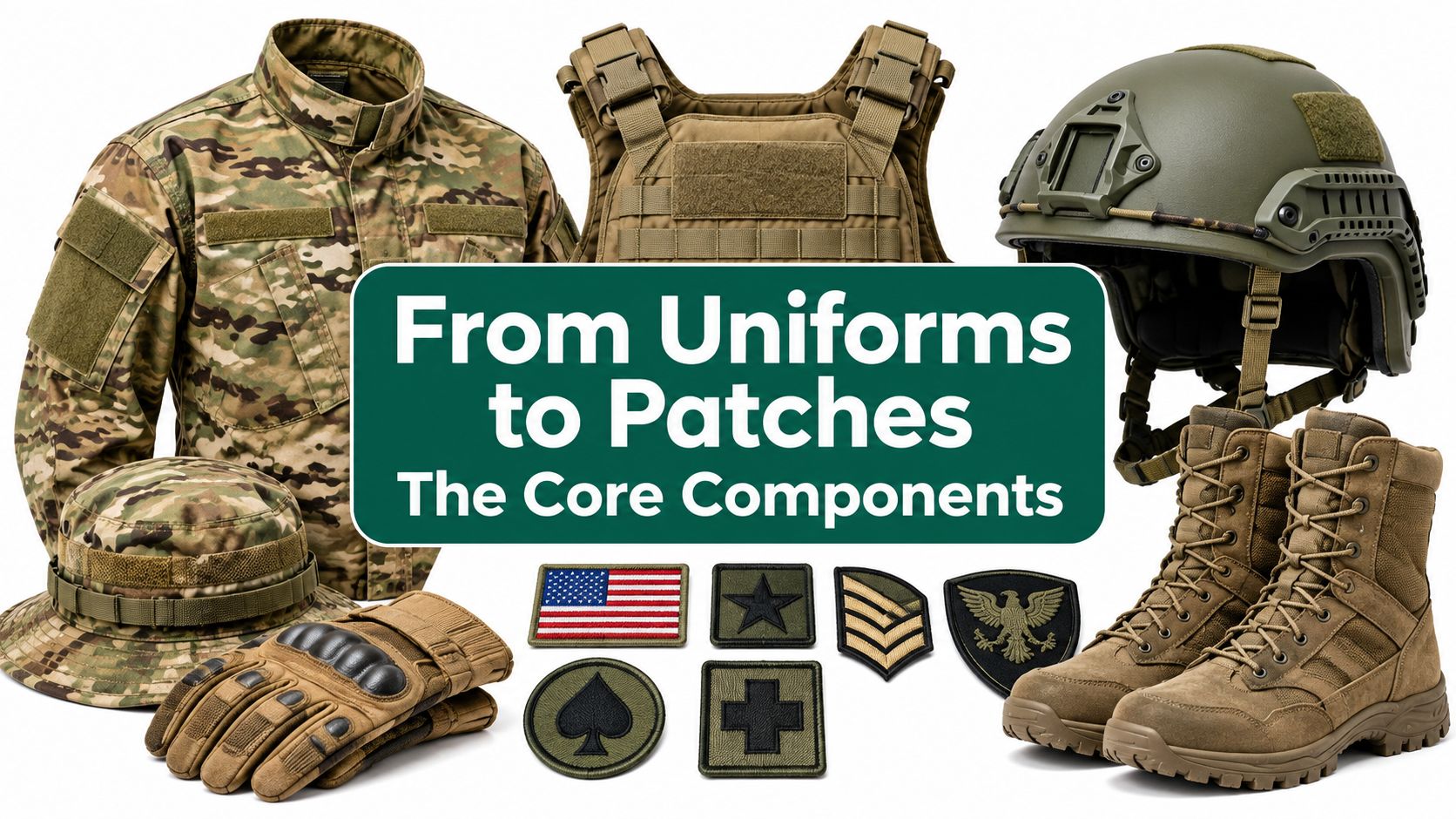
A novelty golf gift does not need to function as playing equipment. Its value often comes from giving a spectator, family member, child, or simulator player a recognizable role. A caddie-inspired outfit works like a visual language. The base garment provides the shape, while patches, names, and accessories supply the details that tell people who the wearer is and what the occasion means.
Start with the visual foundation
The uniform or bib carries most of the outfit's visual weight. Coveralls create a complete head-to-body appearance and suit a costume or themed gathering. A bib sits over ordinary clothing, making it easier to wear at a tournament, family event, or simulator session. The right choice depends on the recipient's age, the setting, and whether the gift should feel like a costume, an outfit, or a reusable layer.
Comfort supports the identity the gift is meant to create. A useful base allows free movement and leaves enough space for personalization to remain readable. White fabric with green accents can suggest a caddie-inspired appearance, but a consistent look matters more than a collection of loud details. Patches cannot rescue a garment that fits poorly, feels restrictive, or becomes uncomfortable after a short time.
For outdoor events, fabric performance matters alongside appearance. Polyester-rich blends are often selected for lower moisture absorption and faster drying, while nylon and elastane can contribute abrasion resistance and stretch. Moisture management depends on the full textile system, including the fiber, yarn, knit or weave structure, thickness, air permeability, and finishing, as outlined in this performance golf apparel research.
Add identity with modular details
Patches, nameplates, and numbers create the personal layer. A name identifies the wearer, a number can suggest a team or role, and a themed logo can connect the outfit to a birthday, tournament, watch party, or other event. Removable details let one base garment serve several occasions instead of becoming a single-use costume.
Readability matters. A high-contrast nameplate is more useful in photographs than a tiny detail that disappears from a distance. Placement matters as well. The chest, upper bib, or another consistent area usually keeps names and numbers visible in group photos.
A practical guide to custom Velcro name patches explains why the attachment method belongs in the buying decision. The fastener should stay secure during movement and laundering while allowing the garment to remain flexible. Removable patches also make it easier to change a role, team, or event theme without replacing the entire gift.
Complete the set without overloading it
Accessories should clarify the outfit rather than compete with it. A matching hat can complete the head-to-toe silhouette. A putter cover or golf-bag tag can carry the theme onto the recipient's belongings, even if the recipient rarely plays. For a child's party, one strong patch and a hat may be enough. For a tournament group or simulator gathering, coordinated names, numbers, or logos can create a shared identity.
A sensible component plan looks like this:
- Base garment: Choose a coverall or bib according to comfort, age, and event formality.
- Personal marker: Add a readable name, number, or role that makes the gift specific.
- Headwear: Use a complementary hat to complete the silhouette and support outdoor wear.
- Optional accessory: Add a putter cover, bag tag, or themed patch when it has a clear purpose.
- Reuse feature: Prefer pieces that can be removed, repositioned, or replaced for another occasion.
For sun-exposed events, verified UPF 50 or 50+ labeling can guide buyers who want documented protection. Stretching fabric may reduce the coverage provided in practice, so testing information and the garment's intended use deserve attention. The best component set gives the recipient a clear identity without making the outfit difficult to wear again.
Navigating Age and Size Inclusivity
Sizing is where an appealing novelty gift can fail. A garment may look perfect online but become uncomfortable if the recipient is between sizes, still growing, unusually tall, or expected to wear layers underneath. The buyer needs to treat fit as part of the gift's meaning, not as a minor detail after the style has been chosen.
Children and adults also wear novelty golf gifts for different reasons. A child may need freedom to move, easy dressing, and enough room for a party outfit underneath. An adult fan may care more about silhouette, personalization, and whether the garment works at a tournament or themed gathering.
Compare the recipient's use case
| Recipient profile | Main priority | Better direction |
|---|---|---|
| Infant or young child | Comfort and movement | Soft, manageable layers with room for activity |
| Older child | Party appeal and identity | Personalized uniform, bib, hat, or patch |
| Adult spectator | Wearability and style | Coordinated apparel with restrained personalization |
| Tall adult | Length and proportion | Long variations and careful measurement |
| Family group | Visual consistency | Matching colors with individual names or patches |
The buyer shouldn't assume that a family needs identical garments. Coordinated colors, matching hats, or shared patches can create a unified photograph while allowing each person to choose a different base style. That approach often feels more natural than forcing every participant into the same cut.
Measure before choosing personalization
Sizing uncertainty becomes more serious when a gift includes a permanent name or logo. A recipient may be unable to exchange the garment, and a child may outgrow it before the next event. Measurement should therefore happen before the personalization decision, not after checkout.
Useful checks include:
- Body measurements: Compare the recipient's chest, waist, inseam, and overall height with the retailer's chart.
- Layering space: Consider whether the uniform will go over a shirt, sweater, or costume layer.
- Movement: Leave enough room for sitting, bending, walking, and active party games.
- Growth: For children, consider whether the garment can remain useful beyond one season.
- Exchange rules: Confirm whether customized items can be returned or exchanged.
A dedicated children's size guide gives shoppers a more reliable starting point than guessing from age alone. Age labels can vary, while measurements reveal whether the garment will work for the child.
Separate adult fandom from children's party wear
Adult recipients often want a novelty item that can move between settings. A subtle nameplate, green hat, or bib may work at a tournament, casual gathering, and future photo session. Children generally benefit from a more expressive combination, especially when the gift is part of a birthday theme or costume.
The best family purchases respect both needs. Adults can wear a coordinated accessory or bib, while children receive the more complete uniform. That creates a shared look without making every participant dress in exactly the same way.
The Power of Modular Customization
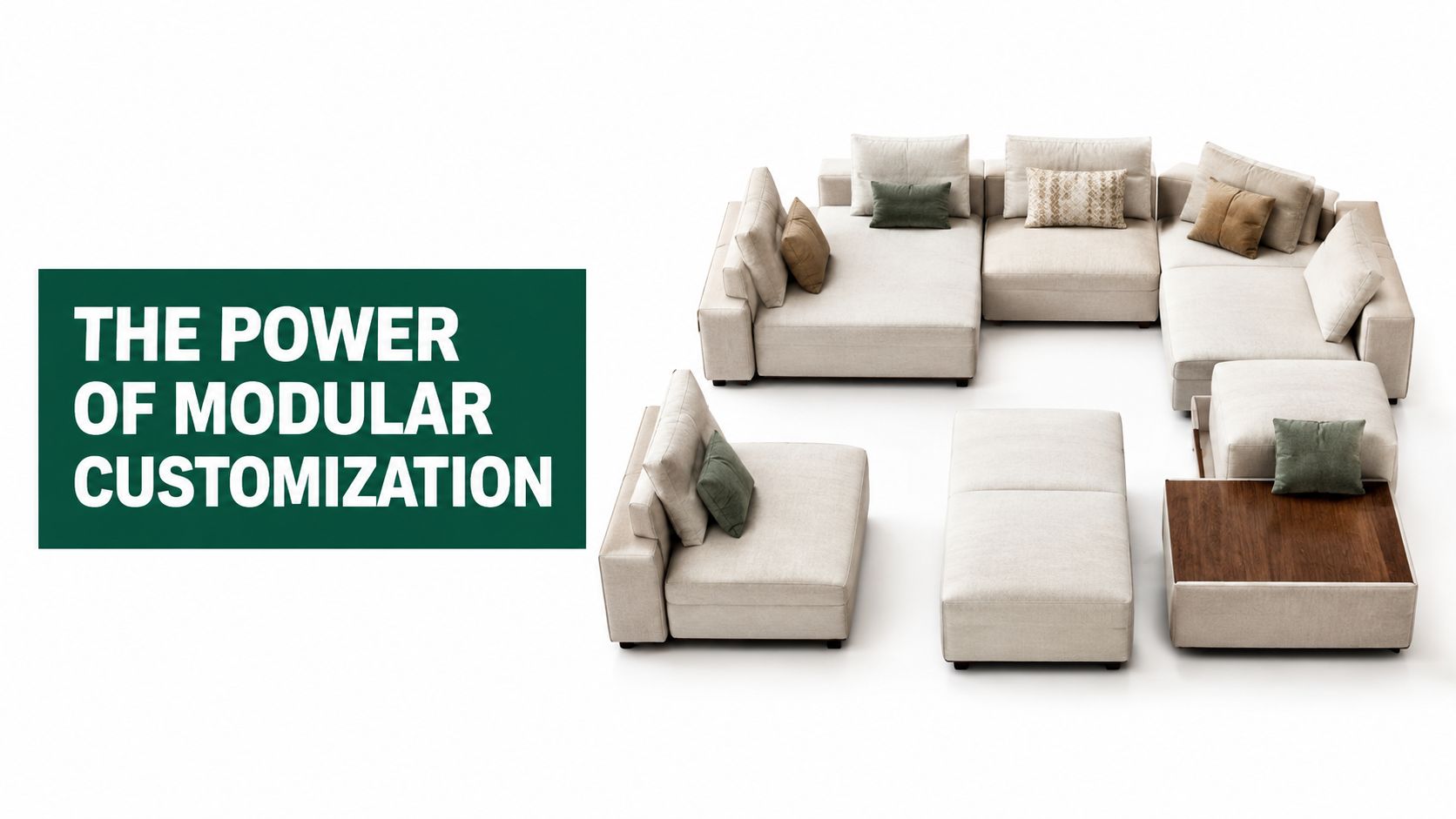
Personalization sounds automatically positive, but permanent customization can reduce a gift's useful life. A printed name tied to one event, team, or age may become awkward when the recipient changes interests. Modular customization solves that problem by separating the base garment from the identity details attached to it.
The distinction is practical. Fixed printing creates one final version. A removable nameplate, number, or themed patch creates a platform that can change with the recipient.
Fixed and removable approaches serve different purposes
| Customization approach | Strength | Limitation |
|---|---|---|
| Permanent print | Clean, integrated appearance | Difficult to change or reuse |
| Sewn detail | Durable and polished | Usually less flexible after production |
| Removable nameplate | Easy to update | Requires secure attachment |
| Removable number | Supports teams and events | Needs clear placement for visibility |
| Interchangeable patch | Encourages new themes | Can become visually crowded |
Permanent printing can make sense when the recipient's name or the event is unlikely to change. A wedding-related gift, commemorative family photograph, or fixed team identity may justify a lasting design. For children, rotating groups, and recurring events, removable elements usually provide more flexibility.
Build reusable identity step by step
- Choose the neutral base. Select a garment or bib that can work across birthdays, tournaments, photographs, or casual fandom.
- Add one primary identifier. A nameplate or number should be readable and easy to replace.
- Select a small set of themes. Patches can represent an event, family role, season, or interest.
- Check attachment quality. The element should stay secure during movement and laundering.
- Plan the next use. Before ordering, identify at least one future setting where the base garment can work again.
This approach also improves group gifting. A family or event organizer can order matching base garments, then assign different names, numbers, or logos without creating an entirely different outfit for each person.
Market reporting describes customized products with removable elements as associated with an approximately 41% improvement in repeat-purchase rates and emotional-value scores roughly 45% higher than generic alternatives. Those figures are directional benchmarks rather than universal experimental results, as explained in this customized gifting market discussion.
Protect comfort and appearance
Customization shouldn't create a hot, rigid, or scratchy surface. Buyers should consider whether the attachment method preserves breathability, flexibility, and wash durability. The most attractive design can become a poor gift if the recipient avoids wearing it because the decoration feels uncomfortable.
Readability matters too. Names and numbers should contrast with the base garment and remain visible in photographs. A modular design succeeds when it feels intentional, not temporary or loosely attached.
Design principle: The best personalized novelty golf gift has a stable base and a changeable story.
How to Choose the Right Gift for the Occasion
The occasion should decide the gift before the product does. A family photograph, Halloween party, corporate tournament, and simulator outing may all involve golf, but each setting demands a different balance of comfort, visibility, and personalization.
A useful decision starts with three filters: where the gift will be used, how confident the buyer is about fit, and whether the recipient will use it again. Style comes next. A visually striking item that can't be worn comfortably or reused remains a weak choice.
Match the components to the event
For a family photo shoot, coordinated colors and readable names usually matter more than elaborate decoration. Matching bibs, hats, or small patches can create a connected look while allowing different ages and body types to wear suitable garments.
For a corporate tournament or organized group, modular names, numbers, and logos provide a practical way to create team identity. The design should remain clear from a distance, and the base garment should support movement over several hours.
A Halloween party favors immediate visual recognition. A complete caddie-inspired uniform may work better than a small golf accessory because it communicates the theme without explanation. Comfort still matters, especially for children moving between indoor and outdoor spaces.
A simulator outing or casual golf-themed gathering calls for something less costume-like. A hat, bib, personalized patch, or putter cover can signal enthusiasm without requiring formal event attire.
Use the decision order that prevents mistakes
- Confirm the occasion date. Custom production can take longer than an off-the-shelf gift, so the buyer should check lead times before adding permanent details.
- Assess sizing confidence. If measurements are uncertain, a flexible accessory or removable personalization may be safer than a tightly fitted custom garment.
- Choose the reuse level. Select a neutral base for repeated wear, or a more specific design when the event itself is the main purpose.
- Set the visual intensity. Decide whether the recipient prefers a full outfit, a coordinated accent, or a small humorous detail.
- Review return conditions. Personalization may affect exchange eligibility, making the retailer's policy part of the buying decision.
The right novelty golf gift isn't necessarily the funniest or most elaborate option. It's the one that fits the recipient's relationship with golf, works in the intended setting, and remains meaningful after the first photograph or party.
Caddie Uniform offers personalized adult and children's caddie uniforms, bibs, hats, removable Velcro nameplates, numbers, patches, and golf accessories for events, photographs, costumes, and golf fandom. Readers planning a wearable golf-themed gift can explore the available options at Caddie Uniform and choose a coordinated or modular design that suits the recipient and occasion.


